
The goal of your team at Hillsborough Family & Cosmetic Dentistry is to save and preserve your natural teeth. However, there are some scenarios where it is necessary to remove a tooth. Before you undergo any procedure, especially a tooth extraction in Hillsborough, NC, Dr. Mike Williamson will fully assess your oral health and create a treatment plan.
A tooth extraction may seem frightening, but it is a common general procedure. Sometimes, Dr. Williamson needs to pull a tooth to protect your oral health and prevent further damage. With the help of sedation dentistry, you should experience minimal pain and discomfort during your extraction.
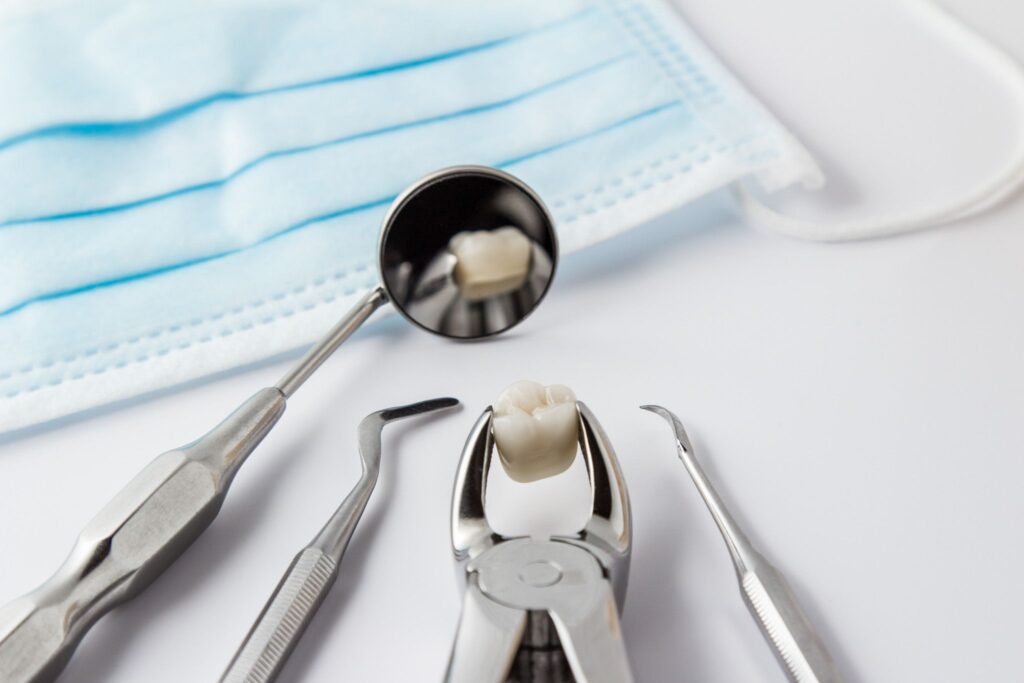
Why Would You Need a Tooth Extraction?
While most people want to avoid a tooth extraction, it can be necessary for various reasons. Additionally, it can be a crucial step to preserve your oral health. We only remove teeth in these cases:
- Severe Tooth Decay: When decay reaches a point where dental fillings or root canals cannot help, it becomes necessary for Dr. Williamson to remove the affected tooth. It can be the best solution to prevent reinfection.
- Infection or Gum Disease: Untreated gum disease or a severe infection can damage the bone supporting a tooth. In these cases, our dentist will need to remove the tooth in an emergency procedure. This will prevent the spread of infection and further bone loss.
- Fractured or Broken Teeth: Dr. Williamson may need to remove teeth that are fractured or broken beyond repair. In some cases, your dentist may attempt a root canal, so an extraction is the last resort. If he extracts a front tooth, he can replace it with a dental implant.
Dr. Williamson will take digital X-rays and assess your dental problems. He’ll determine if he can save your tooth or if you need it removed.
Post Tooth Extraction Care
It’s important to follow the aftercare instructions after you have your procedure. This ensures that the site heals correctly, without any complications.
Slow Bleeding
Bite down on the gauze we give you immediately after the extraction. This slows down the bleeding. Continue to bite down on the gauze until the bleeding stops. After the first 24 hours, start doing a warm saltwater rinse a couple of times a day. Do it gently, so that you don’t disrupt the blood clot. It’s important to do this after meals to remove any food debris from the extraction site.
Take Medication
Some soreness and swelling are common. Use over-the-counter pain medication, though not aspirin, to help manage the pain. Place an ice pack on the outside of your cheek at 15-minute intervals to help reduce swelling. You can do this throughout the first day.
Protect the Extraction Site
You should still brush and floss your teeth, but be careful around the extraction site. Dislodging the blood clot causes a painful condition called dry socket. You should also avoid drinking through a straw, smoking, or forceful spitting, as all of these can also endanger the blood clot.
Eat Soft Foods
Stick to soft foods for the first few days after the procedure. We recommend these foods and liquids:
- Pasta
- Mashed potatoes
- Smoothies (drink without a straw)
- Soup
- Eggs
- Applesauce
Try to chew on the opposite side of your mouth to avoid harming the extraction site. Drink plenty of water and avoid hard, crunchy, and spicy foods for a few days.
If you notice anything out of the ordinary, call our office immediately. This includes extreme pain, excessive bleeding, or a fever.
Patient Review
Tooth Extraction FAQs
Though we practice conservative dentistry, sometimes it’s best to extract a tooth for your oral health. Learn more with answers to common questions about tooth extraction treatment in Hillsborough, NC.
Is a tooth extraction painful?
During the procedure, local anesthesia is used to numb the area, so you shouldn’t feel pain—only pressure. Some discomfort is normal after the procedure, but it’s typically manageable with over-the-counter pain relievers or prescribed medication. Dr. Williamson will provide instructions to help you heal comfortably. Following aftercare guidelines is key to reducing pain and complications.
What is dry socket, and how can I prevent it?
Dry socket occurs when the blood clot at the extraction site is dislodged or dissolves prematurely, exposing the bone. It can cause severe pain and delay healing. To prevent dry socket, avoid drinking through straws, smoking, or vigorous rinsing for at least 48 hours after the procedure. If you suspect dry socket, contact us immediately for treatment.
Can I eat after a tooth extraction?
Yes, but stick to soft, cool foods for the first 24 to 48 hours. Avoid hot, spicy, crunchy, or chewy foods that could irritate the extraction site. Soups, yogurt, applesauce, and smoothies are good choices initially. Gradually reintroduce other foods as you heal and feel more comfortable.
Can I brush my teeth after a tooth extraction?
Yes, but avoid brushing the extraction site for the first 24 hours. Brush and floss the other teeth gently and be careful not to disturb the clot. After a day, you can rinse with warm salt water to keep the area clean. You want to maintain a good oral hygiene routine to prevent infection.
How long does it take for the hole to close after a tooth extraction?
The gum tissue usually closes within 1 to 2 weeks, but full bone healing may take several months. The initial clot forms within hours and is replaced with soft tissue within a few days. Over time, the area remodels and fills in with bone. We will monitor your healing during follow-up visits.
What should I avoid doing after a tooth extraction?
Avoid smoking, drinking through a straw, vigorous rinsing, and heavy physical activity for at least 48 to 72 hours. These actions can dislodge the clot and delay healing. Also, avoid hard or crunchy foods, alcohol, and very hot drinks. Follow instructions closely for a smooth recovery.
Get Comfortable Care for Tooth Pain
Now that you know why you might need an extraction, visit our Hillsborough dental office for the procedure. Request an appointment online. You can also call Dr. Williamson at 919-587-8401 today.